
- You have no items in your shopping cart
- Continue Shopping

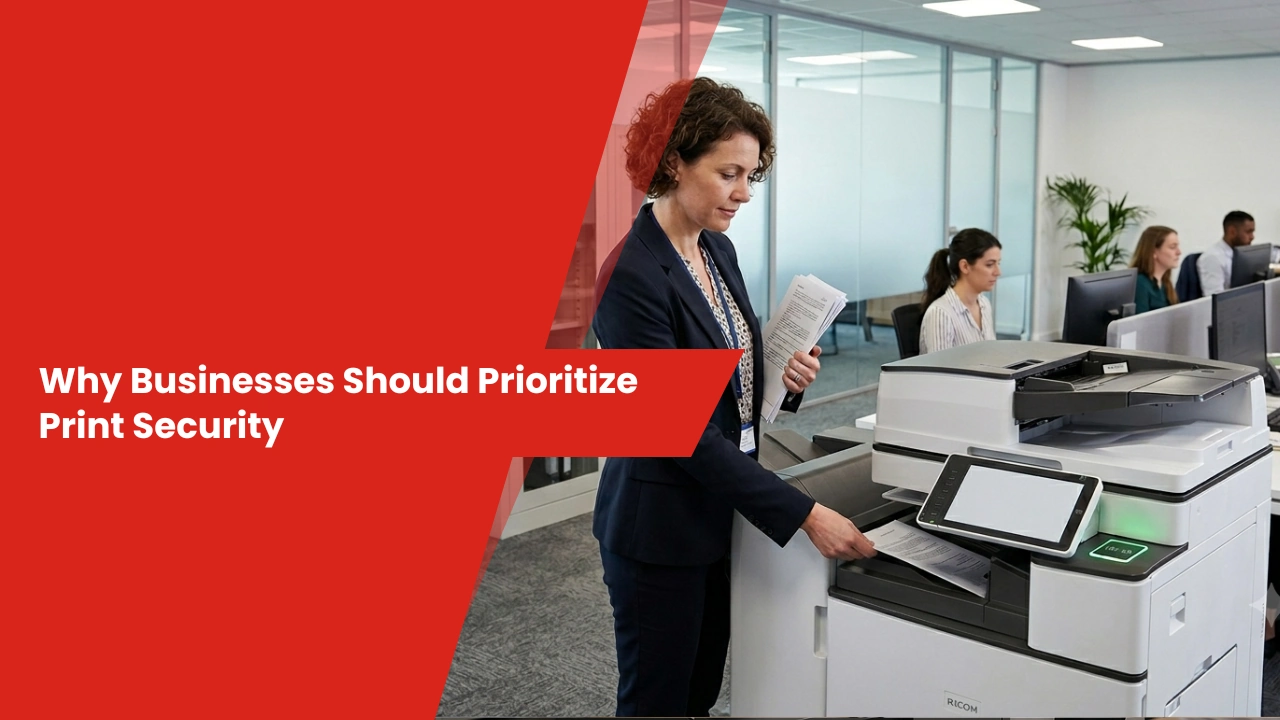
Cybersecurity is now one of the key concerns in the world of business which is increasingly becoming technologically driven. While it is true that many businesses spend millions of dollars in securing computers and servers from various types of cyber attacks, they fail to secure one crucial aspect which is print security. Printers are no longer simple machines which are used to print out documents but are now networked systems which process confidential information. Thus, they can be targeted by hackers.
Regardless of whether companies use Printer rental in UAE or other forms of printer service providers, there is an increasing need to ensure that print security is secured in all businesses.
Understanding the Importance of Print Security
Every business handles confidential information daily. Employee records, customer data, financial statements, contracts, invoices, and strategic documents often pass through office printers. If these documents are accessed by unauthorized individuals, the consequences can be severe. Many businesses underestimate the risks associated with unsecured printing systems. Since modern printers are connected to company networks and cloud applications, they can become entry points for cyberattacks. Organizations must treat printers as essential components of their overall cybersecurity strategy rather than simple office equipment. As workplaces become increasingly digital and hybrid work models continue to grow, protecting print environments has become more important than ever before.
The Risks of Ignoring Print Security
Businesses that overlook print security expose themselves to several vulnerabilities. One of the most significant risks is data breaches. Every print job creates digital data that can be stored temporarily or permanently within a printer’s internal memory. If cybercriminals gain access to these systems, confidential information can be stolen.
Another major concern is unauthorized document access. Sensitive papers left unattended at a printer can easily be viewed or taken by the wrong person. Internal threats are often overlooked, but employees and visitors may unintentionally or deliberately access confidential information. Remote work has also introduced new security challenges. Employees printing documents from home or remote locations may use unsecured devices and networks, increasing the risk of data exposure. Without centralized monitoring, businesses can lose visibility over their printing activities.
How Businesses Can Strengthen Print Security
Organizations must implement a comprehensive print security strategy to protect their data. User authentication is one of the most effective solutions. Employees should verify their identity before documents are released for printing. This ensures that only authorized personnel can access sensitive information. Encryption is another essential security measure. Secure encryption protects print jobs while they travel between devices and printers, preventing hackers from intercepting confidential data. Regular firmware updates are equally important. Manufacturers frequently release updates to fix vulnerabilities and strengthen device security. Businesses that neglect these updates may unknowingly expose themselves to cyber threats. Network access should also be carefully controlled. Printers should only be accessible to authorized users and departments. Restricting access reduces the likelihood of unauthorized activities and helps protect critical business systems.
How Print Analytics Can Improve Business Efficiency
Print security and operational efficiency often work together. This is where how print analytics can improve business efficiency becomes highly valuable. Print analytics provides businesses with detailed insights into printing behavior and resource usage. Organizations can identify excessive printing, monitor unusual activities, track departmental usage, and optimize printing expenses. By analyzing these patterns, businesses can reduce waste while simultaneously strengthening security. Print analytics also allows IT teams to detect suspicious behavior early. Unusual printing volumes or unauthorized access attempts can indicate potential security threats before they escalate into serious incidents.
The Advantages of Managed Print Services
Many businesses choose professional providers to manage their printing infrastructure because it offers enhanced security and simplified management. Managed print service providers continuously monitor devices, apply security updates, and configure systems according to industry best practices. This approach reduces the workload for internal IT teams while ensuring that printers remain secure, efficient, and compliant with organizational policies. Outsourcing print management also enables businesses to focus on their core operations without worrying about maintaining complex printing environments. In addition, companies can improve productivity, reduce operational costs, and gain better visibility into their overall printing activities while maintaining a secure and reliable document management system.
Why Printer Service Contracts Are Essential
Ongoing maintenance plays a significant role in maintaining printer security. A reliable printer service contract in Abu Dhabi helps businesses ensure their devices remain updated, secure, and operational throughout their lifecycle. Service contracts typically include preventive maintenance, firmware upgrades, security monitoring, and technical support. Regular maintenance minimizes downtime and prevents vulnerabilities from accumulating over time. Businesses that invest in service contracts can proactively address security risks instead of reacting to problems after they occur.
Choosing the Right Printers for Future Growth
Selecting secure and reliable printing equipment is equally important. When evaluating the best printers in Abu Dhabi for small and growing businesses, organizations should prioritize security features alongside performance and scalability. Modern business printers offer advanced security capabilities such as data encryption, user authentication, secure cloud integration, and centralized device management. These features help organizations maintain control over sensitive information while supporting future growth. Investing in secure printers today can save businesses significant costs and security challenges in the future.
Frequently Asked Questions
Why is print security important for businesses?
It protects sensitive information and prevents unauthorized access and data breaches.
Can printers be targeted by cybercriminals?
Yes. Unsecured network printers can be vulnerable to cyberattacks.
How does print analytics improve security?
It helps monitor printing activities and detect unusual or suspicious behavior.
Is print security necessary for small businesses?
Yes. Small businesses also handle sensitive data and need strong security measures.
Conclusion
Print security is an essential part of every modern business strategy. As workplaces become more connected, businesses must protect their printing systems just as they protect their computers and networks. By implementing secure printing practices, regularly maintaining devices, and monitoring print activities, organizations can reduce security risks, protect sensitive information, and improve overall efficiency. Investing in print security today helps create a safer, more productive, and future-ready workplace.