- You have no items in your shopping cart
- Continue Shopping

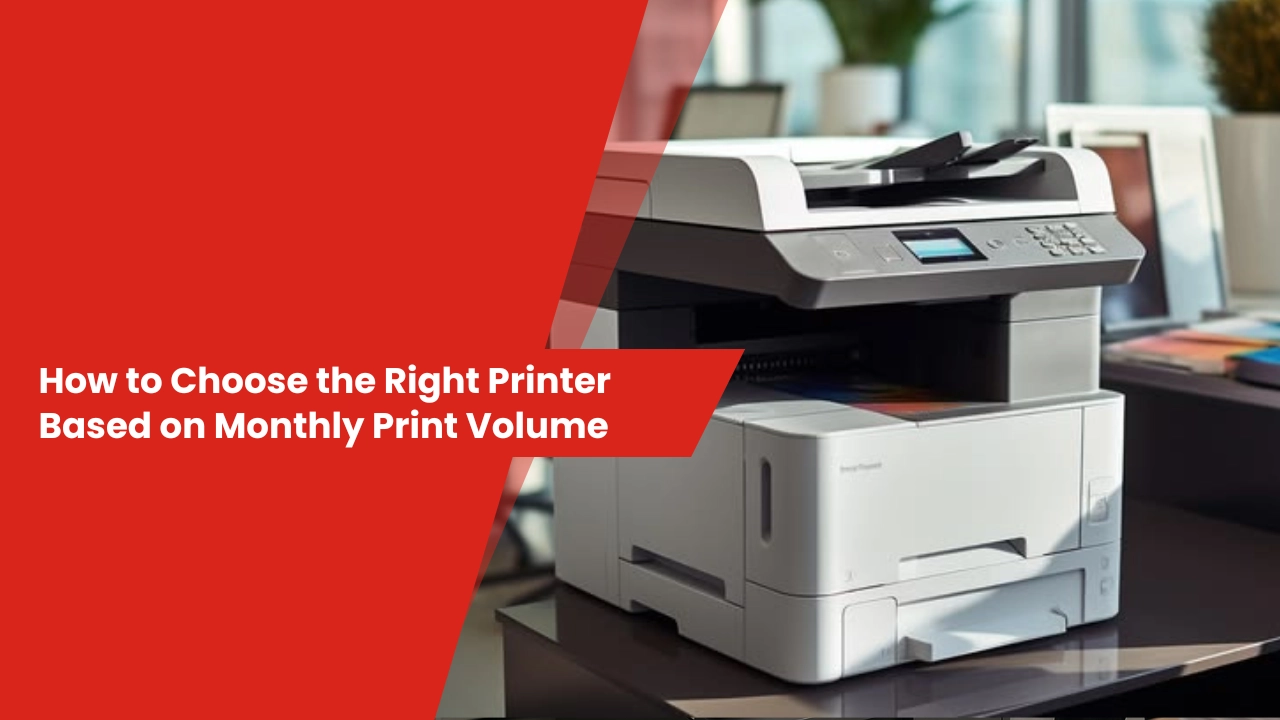
How to Choose the Right Printer Based on Monthly Print Volume means selecting a printer that matches the number of pages your business prints each month. Choosing the correct device improves productivity, lowers maintenance costs, and prevents unnecessary expenses. Many businesses also explore the Best Printer rental in UAE to access high-performance printers without a large upfront investment.
Selecting a printer based only on price is one of the most common mistakes businesses make. A printer that performs well for a small office may struggle in a high-volume environment, leading to frequent breakdowns, slower workflows, and higher operating costs. Understanding your monthly print volume ensures you invest in equipment that delivers the right balance of speed, efficiency, and reliability.
Why Is Monthly Print Volume Important When Choosing a Printer?
Monthly print volume refers to the total number of pages your office prints in an average month. Every printer is designed to handle a recommended monthly duty cycle. Exceeding this limit regularly can reduce the printer’s lifespan, increase maintenance requirements, and affect print quality.
Businesses that accurately estimate their monthly printing needs can avoid purchasing oversized equipment or overloading entry-level printers. This simple evaluation helps improve operational efficiency while reducing unexpected expenses.
Matching your printer to your monthly print volume increases reliability and reduces long-term operating costs.
How Can You Estimate Your Monthly Print Volume?
The easiest way to estimate print volume is by reviewing previous printing records or monitoring office usage over several weeks. Consider the number of employees, departments, customer documents, invoices, contracts, and reports printed every month.
A business printing fewer than 2,000 pages each month generally requires a compact office printer. Medium-sized businesses producing between 2,000 and 10,000 pages benefit from multifunction laser printers, while organizations printing beyond 10,000 pages should consider enterprise-grade digital copiers designed for continuous operation.
Understanding these usage patterns prevents businesses from paying for features they rarely use while ensuring sufficient capacity during busy periods.
What Type of Printer Is Best for Low-Volume Offices?
Small businesses and startups often require affordable, reliable devices that handle everyday printing without excessive maintenance.
Compact multifunction printers are suitable for administrative work, invoices, quotations, and occasional color printing. They provide scanning and copying capabilities while consuming less office space and electricity.
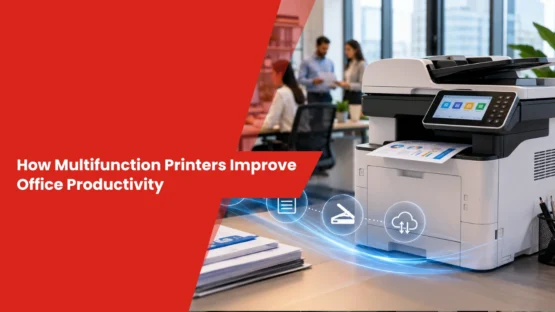
Many entrepreneurs also discover How Digital Printers Help Small Businesses Work Smarter by improving workflow through wireless printing, mobile connectivity, automatic duplex printing, and cloud document access. These features help teams save time while maintaining professional document quality.
Low-volume businesses should prioritize efficiency, multifunction capabilities, and operating cost over maximum print speed.
Which Printer Works Best for Medium-Volume Businesses?
Growing businesses often experience increasing print demands as their customer base expands. Marketing materials, contracts, purchase orders, and internal reports contribute to higher monthly page counts.
Medium-volume offices benefit from printers with faster print speeds, larger paper capacities, automatic document feeders, and advanced scanning functions. These features minimize interruptions while supporting multiple users simultaneously.
Organizations planning future growth may also consider Printer Leasing in Dubai instead of purchasing equipment outright. Leasing provides access to newer technology, predictable monthly costs, and maintenance support, making it easier to scale printing capacity as business requirements change.
What Should High-Volume Offices Consider?
Large organizations, educational institutions, healthcare providers, and legal firms often print thousands of pages every month. Their priorities extend beyond speed to include reliability, security, and workflow automation.
Enterprise digital copiers are designed for continuous operation with high-capacity toner cartridges, multiple paper trays, finishing options, and advanced security features. These systems reduce downtime while supporting demanding office environments.
Businesses with heavy workloads should also evaluate maintenance agreements and managed print services to ensure uninterrupted productivity throughout the year.
High-volume offices require durable equipment designed for continuous use rather than standard office printers.
How Can Choosing the Right Printer Reduce Business Costs?
Printing expenses extend beyond purchasing the printer itself. Toner replacement, maintenance, energy consumption, repairs, and employee downtime all contribute to the total cost of ownership.
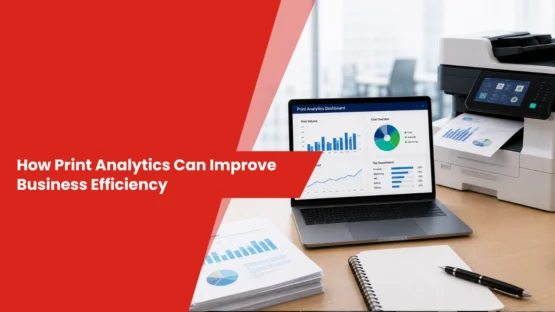
Businesses researching Top Ways to Reduce Printing Costs in Your Office often find that selecting the correct printer based on actual usage delivers immediate savings. Features such as automatic duplex printing, toner-saving modes, centralized print management, and secure printing reduce waste while improving efficiency.
Regular maintenance also helps extend equipment life and maintain consistent print quality, preventing expensive emergency repairs.
Should You Buy or Rent a Printer?
The answer depends on your business goals, budget, and expected printing volume.
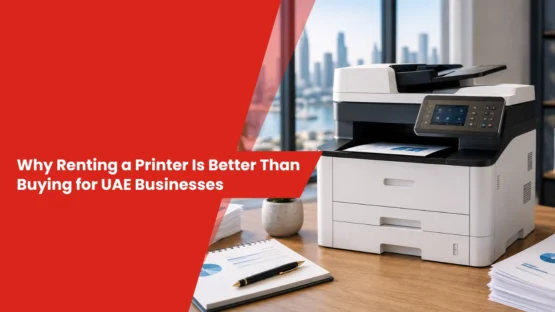
Purchasing a printer may suit businesses with stable, long-term printing requirements. However, companies expecting growth or technology upgrades often benefit from rental or leasing options. Rental agreements frequently include maintenance, technical support, and replacement services, reducing operational risk while providing access to modern printing technology.
Businesses should compare not only the purchase price but also the long-term operating costs before making a decision.
Final Thoughts
Choosing the right printer starts with understanding your monthly print volume rather than focusing solely on the purchase price. A properly selected printer improves productivity, reduces maintenance issues, and lowers operating expenses over time. Whether your office prints hundreds or tens of thousands of pages each month, matching the equipment to actual business requirements ensures greater efficiency, reliable performance, and better long-term value.