- You have no items in your shopping cart
- Continue Shopping

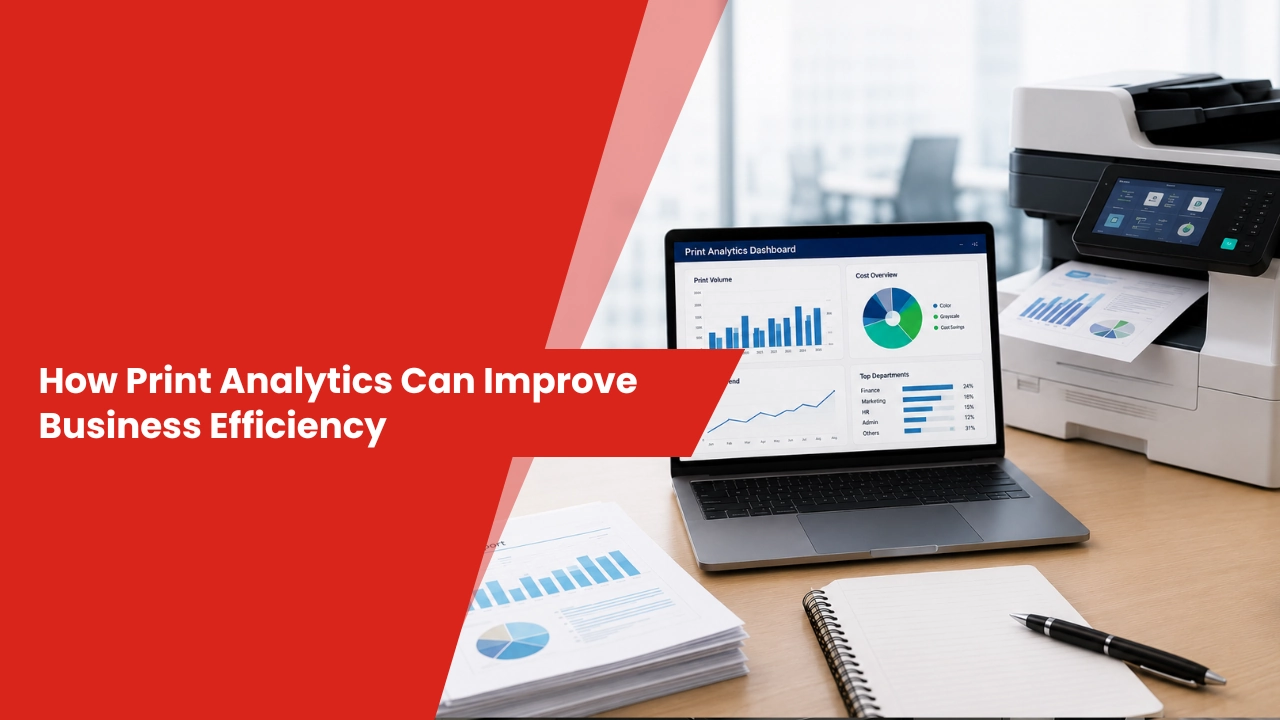
As organizations continue to look for intelligent means of cutting down on operational costs and improving efficiency within today’s fast-paced business environment, some organizations may find that their efforts in streamlining their businesses are missing one crucial component, which is print management. Print management is the process whereby the printing needs of a business organization are monitored using a number of methods to improve on efficiency and minimize operational expenses in terms of money spent on unnecessary prints and wastage. Print analytics is a solution that allows companies to analyze data from printers, copiers, and multifunction machines used within an organization to improve efficiency and productivity. In addition, businesses that have invested in Best digital printer solutions in Musaffah Abu Dhabi now apply print analytics to optimize their processes.
What Is Print Analytics?
Print analytics is the process of collecting, analyzing, and interpreting data generated by office printing devices. It provides insights into printing habits, paper consumption, toner usage, maintenance requirements, and overall device performance. Using specialized software, businesses can monitor how employees use printing resources and identify opportunities to reduce unnecessary expenses. Related terms include print management, document workflow optimization, managed print services, cloud printing, and office automation.
Why Print Analytics Matters for Businesses
Many organizations underestimate the costs associated with unmanaged printing. Excessive printing, outdated devices, and inefficient workflows can create hidden expenses that affect profitability. Print analytics provides complete visibility into printing operations, allowing businesses to identify areas that require improvement. With access to real-time data, companies can make informed decisions regarding printer usage, maintenance schedules, and resource allocation.
Reducing Operational Costs
Businesses often spend substantial amounts on paper, toner, electricity, and printer maintenance without realizing the extent of these expenses. Print analytics identifies wasteful practices and recommends strategies to minimize unnecessary printing. Organizations can establish printing policies, encourage double-sided printing, and allocate printing quotas to departments. These small adjustments can significantly reduce operational costs over time. Companies exploring Printer lease UAE solutions can further reduce expenses by combining leased equipment with print analytics software for better resource management.
Increasing Employee Productivity
Time wasted on printer-related issues can negatively affect employee performance. Frequent printer breakdowns, long queues, and inefficient workflows can interrupt daily operations. Print analytics helps identify bottlenecks and ensures that printing resources are distributed effectively across departments. When businesses understand peak usage periods and device demand, they can strategically position printers to improve accessibility and minimize downtime. Employees spend less time troubleshooting equipment and more time focusing on high-value tasks.
Improving Device Performance and Maintenance
Print analytics enables predictive maintenance by monitoring device health and detecting issues before they become major problems. Businesses receive alerts about low toner levels, hardware issues, and maintenance requirements. This proactive approach minimizes downtime and extends the lifespan of office equipment. Regular monitoring also allows IT teams to optimize device performance without waiting for problems to occur.
Supporting Sustainable Business Practices
Sustainability is an important factor for contemporary companies. Waste of papers and unnecessary energy use have been identified as causes of environmental damage and excessive costs. The print analysis allows achieving sustainability through creating reports about resource consumption. It is possible to define environmental targets and follow them throughout time. Reduction in paper waste, reduction of unnecessary printing, and optimization of energy usage allow meeting sustainability targets.
Making Smarter Investment Decisions
Data-driven insights enable businesses to make better technology investments. Instead of purchasing unnecessary equipment, organizations can evaluate their actual printing needs and choose solutions that align with their business goals. By using print analytics data, companies can determine the most suitable printers and multifunction devices based on workload requirements, usage patterns, and operational demands.
This approach prevents unnecessary spending, improves resource allocation, and ensures that businesses invest only in equipment that supports their long-term growth and productivity objectives.
How to Choose the Right Printer Rental Plan for Your Business
Selecting a suitable printer rental plan is an important decision for businesses aiming to balance performance and cost efficiency. Organizations should first assess their monthly print volume, document requirements, and future growth projections. The process of How to choose the right printer rental plan for your business involves evaluating several factors, including printing speed, maintenance support, scalability, and contract flexibility. Businesses should also ensure that rental providers offer print analytics integration, allowing them to monitor performance and optimize usage continuously. A well-structured rental plan provides access to modern equipment without the burden of large upfront investments.
The Benefits of High-Speed Printers for Large Businesses
Large organizations handle thousands of documents daily, making printer performance a critical factor. Understanding the benefits of high-speed printers for large businesses can help organizations improve efficiency and productivity. High-speed printers reduce waiting times, handle larger workloads, and improve document processing capabilities. When combined with print analytics, businesses can monitor output levels and ensure that high-demand departments have adequate resources. This combination creates a seamless workflow that supports business growth and operational excellence.
The Future of Print Analytics
As workplaces become increasingly digital, print analytics will continue evolving with advanced technologies such as artificial intelligence and cloud-based management systems. Future solutions will provide deeper insights, automate maintenance tasks, and offer predictive recommendations that further improve business operations. Organizations that adopt these technologies early will gain a competitive advantage by reducing costs, increasing efficiency, and improving workplace productivity.
Frequently Asked Questions
What is print analytics?
Print analytics tracks and analyzes printing data to improve efficiency and reduce costs.
How does print analytics improve business efficiency?
It reduces waste, optimizes workflows, and improves printer performance.
Can print analytics reduce printing costs?
Yes, it helps lower expenses on paper, toner, energy, and maintenance.
Is print analytics suitable for small businesses?
Yes, businesses of all sizes can benefit from it.
How does print analytics support sustainability?
It reduces paper waste and encourages responsible printing.
Is print analytics part of digital transformation?
Yes, it helps businesses modernize and optimize operations.
Conclusion
Print analytics helps businesses improve efficiency by reducing costs, increasing productivity, and optimizing printing resources. By using data-driven insights, organizations can streamline workflows, minimize waste, and make smarter operational decisions. Implementing print analytics is a practical way to support long-term business growth and create a more productive workplace.